
The internet was not originally designed with privacy in mind. Every time you browse a website, your internet provider, advertisers, and sometimes even public Wi-Fi networks can see parts of your online activity. If you’ve ever wondered what a VPN is and why so many people use one, this guide explains how VPNs work and why they can improve your online privacy.
This is where a VPN (Virtual Private Network) becomes useful.
A VPN creates an encrypted connection between your device and a remote server, protecting your data and masking your real IP address.
For many people, this is one of the simplest ways to improve online privacy.
🔐 Best VPN Right Now
If you just want a quick recommendation:
👉 Proton VPN – Best for privacy and security (no-logs, Swiss-based)
👉 NordVPN – Best for speed and streaming
👉 Get Proton VPN here
👉 Get NordVPN here
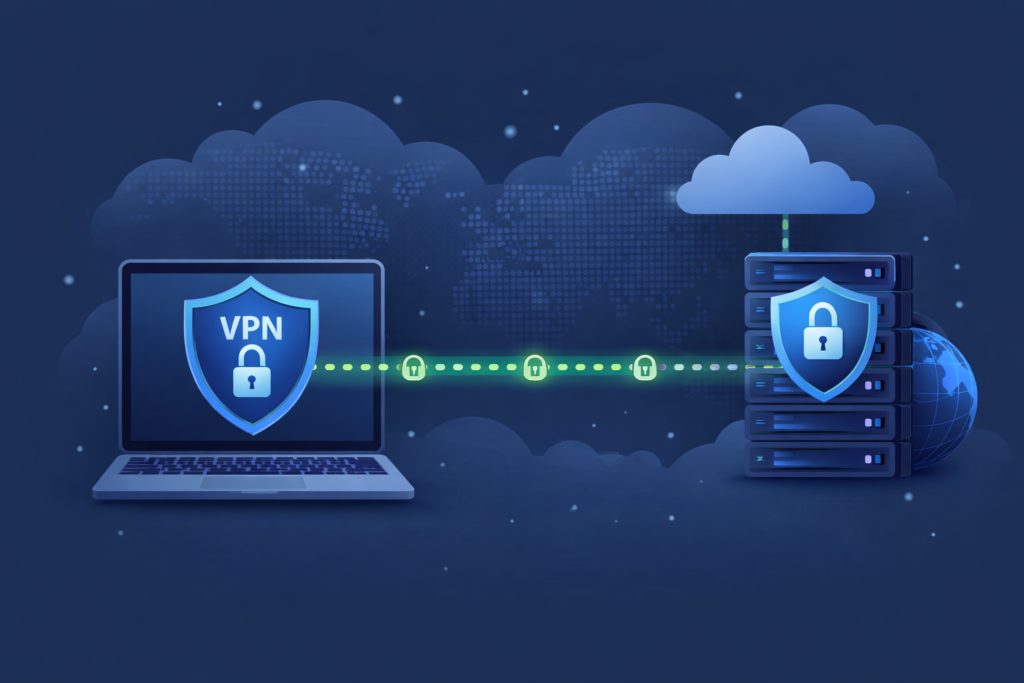
How a VPN Works
When you connect to the internet normally:
- Your device connects directly to your internet provider.
- Your real IP address is visible.
- Your traffic can potentially be monitored.
When you use a VPN:
- Your device connects to a secure VPN server first
- Your traffic is encrypted
- Websites see the VPN server’s IP address instead of yours
This means your activity becomes much harder to track.
Why People Use VPNs
There are several common reasons people choose to use a VPN.
1. Protecting Privacy
A VPN hides your IP address and encrypts your traffic, making it harder for companies or networks to track your browsing habits.
2. Safer Public Wi-Fi
Public Wi-Fi networks in places like cafés, hotels, or airports can be insecure. A VPN helps protect your data from potential attackers on the same network.
3. Accessing Content Securely
Some users use VPN servers located in different countries to access region-restricted services or protect themselves from local network restrictions.
4. Remote Work Security
Many businesses use VPN technology to allow employees to securely access internal systems when working remotely.
Are VPNs Legal?
In most countries VPNs are completely legal and commonly used for privacy and business security.
However, some countries restrict VPN use, particularly where governments tightly control internet access.
Choosing the Right VPN
Not all VPN services are equal.
When choosing a VPN, look for:
- strong encryption
- a strict no-logs policy
- fast global servers
- reliable apps for Windows, macOS, and mobile devices
One example is Proton VPN, developed by the privacy-focused team behind Proton Mail. The service is known for strong encryption and privacy protections.
👉 You can learn more about Proton VPN here.
What About Secure File Storage?
Privacy doesn’t only apply to internet browsing.
Many people also store sensitive files in cloud services that may not offer strong encryption.
Using encrypted cloud storage can add another layer of security.
For example, Proton Drive provides end-to-end encrypted cloud storage so files remain private even when stored online.
👉 You can learn more about Proton Drive here.
Final Thoughts
Online privacy is becoming more important every year. Whether you are protecting personal data, securing public Wi-Fi connections, or working remotely, using a VPN can add an extra layer of security.
Understanding how VPNs work is the first step toward taking control of your digital privacy.
If you are interested in learning more about VPN’s check out our article here for some comparisons from some of the top vendors.
Final Recommendation
If privacy is your main concern, go with Proton VPN.
If you want speed and streaming, NordVPN is the better choice.
You can also find some more detailed information from Microsoft here